August 5, 2026
Large cleanup projects can quickly create more debris than standard trash collection can handle. Whether you are renovating a room, clearing out a garage, replacing a roof, or preparing a property for a new use, having a dependable waste disposal plan can make the process more manageable. A dumpster provides one central location for unwanted materials, helping keep the work area organized throughout the project. It can also reduce the need to make repeated trips to a landfill or disposal facility. However, selecting the right container requires more than estimating how much space your debris will occupy. You should also consider the type of materials, the expected weight, the available placement area, and the length of the project. Understanding these details before scheduling delivery can help prevent delays and unnecessary expenses. This guide explains the essential factors to consider so you can approach your cleanup with greater preparation and confidence.
Understanding Dumpster Sizes and Capacities
Choosing the appropriate container size is one of the most important parts of planning a cleanup. Dumpster sizes are generally measured in cubic yards, which describe the volume of material the container can hold. Smaller containers may work well for garage cleanouts, minor remodeling projects, or limited landscaping debris. Larger containers are often better suited for major renovations, construction work, extensive property cleanouts, and projects involving bulky materials. The right size depends on both the amount of debris and the type of items being discarded. According to HomeGuide, a 10-yard dumpster may accommodate approximately two to three tons of debris, which is comparable to about three pickup truck loads. This estimate can help homeowners visualize capacity, although actual limits may vary based on the provider and the materials being disposed of. When evaluating roll off rentals, it is often helpful to describe the project in detail so the waste management company can recommend a suitable size.
Evaluating the Type of Debris
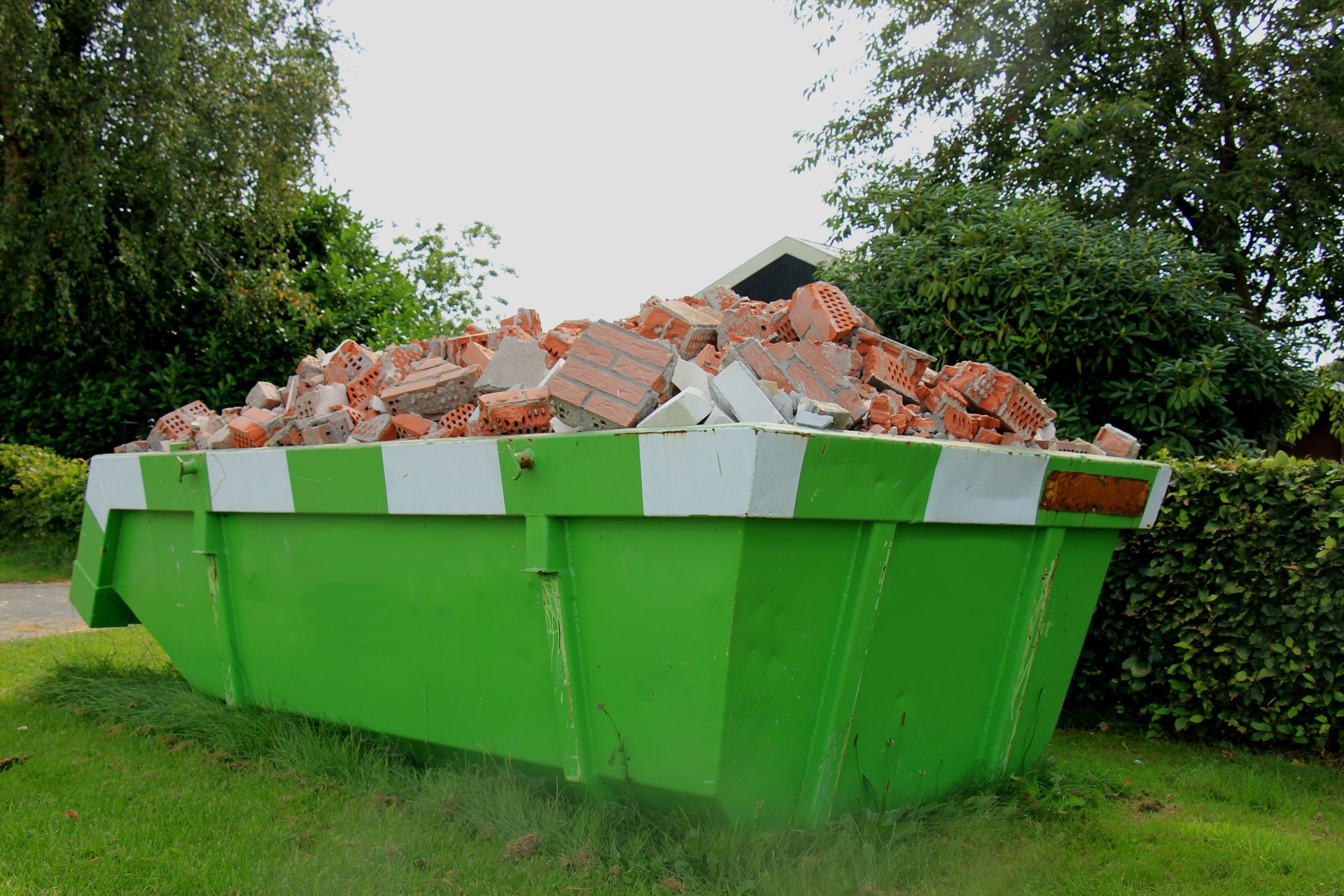
The materials being placed in a dumpster can affect which container is appropriate for the project. Household clutter, furniture, wood, drywall, and general construction debris may take up a considerable amount of space without adding excessive weight. In contrast, concrete, brick, soil, roofing materials, and other dense items can reach weight limits before the container is completely full. Mixing heavy materials with lighter debris may also change how efficiently the available capacity can be used. Before arranging roll off rentals, create a general list of everything you expect to discard. This information allows the rental provider to explain whether certain materials require a specific container or separate disposal arrangements. Some items may be prohibited because they require specialized handling or could create environmental and safety concerns. Asking about accepted materials in advance can help prevent the need to remove prohibited items after the dumpster has been delivered.
Preparing a Safe Placement Area
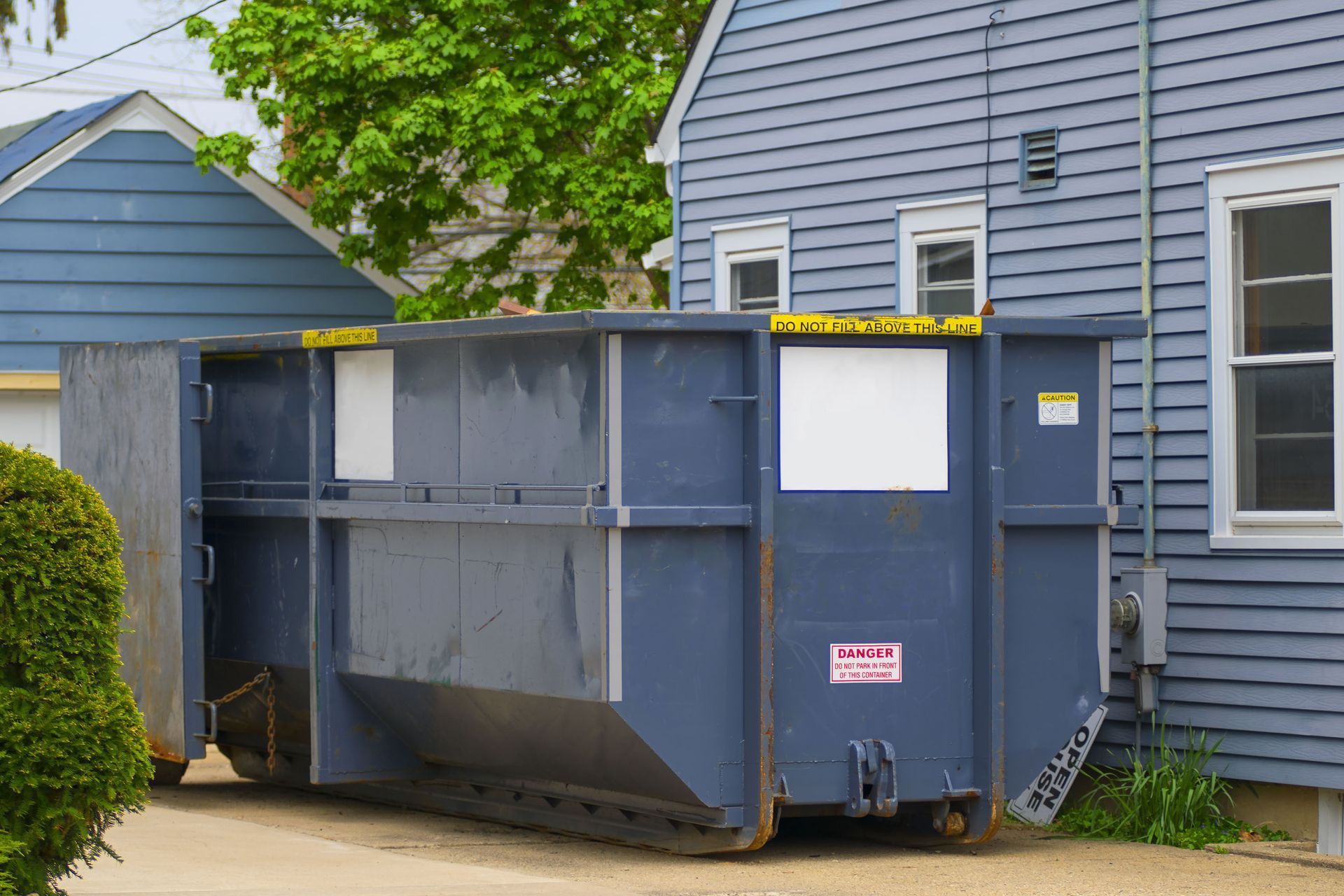
A properly prepared placement area supports safe delivery and convenient access throughout the project. Many dumpsters are placed on driveways, parking areas, or other firm and level surfaces that can support the container’s weight. The location should provide enough room for the delivery truck to maneuver and place the dumpster without contacting nearby structures, vehicles, trees, or utility equipment. It is also important to consider how workers will carry or move debris to the container. A location that is too far from the work area may increase the time and effort required to load materials. Before scheduling roll off rentals, measure the available space and remove obstacles that could interfere with delivery. You may also want to use protective boards beneath the container when appropriate to reduce the risk of surface damage. Discussing the placement location with the provider can help identify potential concerns before delivery day.
Planning the Rental Timeline
The length of a project can influence how long the dumpster should remain on the property. A short cleanup may require only a few days, while a renovation or construction project may generate debris over several weeks. Scheduling the container too early can result in unused rental time before work begins. Waiting too long may allow clutter and construction materials to accumulate around the property. A clear project schedule can help you determine when the dumpster will be most useful. When arranging roll off rentals, ask how long the standard rental period lasts and whether extensions are available. You should also find out whether the company requires advance notice for pickup or changes to the schedule. Coordinating delivery and removal with the project timeline can help keep the property organized from beginning to end. Planning ahead also provides more flexibility if weather, labor availability, or unexpected work affects the original schedule.
Loading Materials Efficiently and Safely
How debris is loaded can affect both the usable capacity of the dumpster and the safety of the cleanup area. Begin by placing large, flat, or heavy items inside the container whenever possible. Breaking down boxes, cabinets, furniture, and other bulky materials can reduce empty spaces and make loading more efficient. Distribute weight across the container instead of placing all heavy debris in one area. This approach can help maintain a more balanced load during transportation. People using roll off rentals should also keep materials below the container’s upper edge and avoid allowing debris to extend over the sides. Overfilled containers may create transportation hazards and could delay scheduled pickup. Following the provider’s loading guidelines helps support a smoother removal process and reduces the likelihood of additional handling.
Reviewing Costs and Rental Details
Understanding the terms of a rental agreement can help you budget more accurately for waste removal. Pricing may depend on the dumpster size, rental duration, location, included weight allowance, and type of debris. Some projects may generate more weight than expected, particularly when heavy construction materials are involved. Additional charges may apply if the load exceeds the included weight limit or if the rental period is extended. Before confirming roll off rentals, ask for a clear explanation of what the quoted price includes. It is also useful to ask about delivery, pickup, disposal fees, and potential charges for restricted materials. Reviewing these details in advance can reduce the risk of unexpected costs after the project is complete. A transparent estimate allows you to compare options while focusing on the services that fit your project requirements.
Following Local Rules and Disposal Guidelines
Waste disposal requirements may vary depending on the property location and the materials involved. Some areas require permission or permits when a dumpster is placed on a public street, sidewalk, or other shared space. Private property may have fewer requirements, but homeowners should still consider neighborhood rules and property access. Certain materials may require separate disposal because they contain hazardous substances or require specialized processing. Items such as chemicals, batteries, fuel containers, paint, and some electronic equipment may not be accepted in standard containers. Before using roll off rentals, confirm which materials are allowed and ask how restricted items should be handled. You should also verify whether local regulations affect placement or the duration of the rental. Taking these steps can help keep the project compliant while supporting responsible waste management practices.
Choosing a Dependable Waste Management Partner
A dependable waste management provider can make the rental process easier from the initial consultation through final pickup. Clear communication is especially important when determining the right dumpster size and discussing the materials involved. A knowledgeable team can answer questions about capacity, weight limits, rental periods, placement requirements, and acceptable debris. Reliable scheduling also helps keep cleanup and construction projects moving without unnecessary interruptions. When comparing roll off rentals, consider the provider’s responsiveness and willingness to explain the available options. It is helpful to work with a company that understands the importance of timely delivery and removal.
A roll-off dumpster can provide a practical solution for projects that produce more debris than regular trash services can accommodate. Every project has different waste disposal requirements, so it is useful to discuss the details with an experienced provider before scheduling service. With the right container and a clear plan, cleanup tasks can become more manageable and less time-consuming. Proper waste management supports a smoother project from the first day of work through final removal.
If you are planning a renovation, property cleanout, construction project, or large-scale cleanup, contact Jenkins Waste Management today to learn more about dependable dumpster solutions and schedule the right container for your needs.